One of the best things you can do before surgery is to focus on eating well. This is really important if you have lost weight without trying or have noticed changes in your appetite in the past week or more.
Food is medicine. When your body gets the right fuel before surgery, recovery is often easier and faster.
How are Nutrition Needs Identified?
Your health care team may ask you a few simple questions to check if you could benefit from extra nutrition support before surgery.
What Can You Do Before Surgery?
Here are some important things to focus on:
- Eat three balanced meals every day that include a variety of foods. A simple way to ensure you are getting balanced meals is to use the Canada Food Guide plate model (see below).
- Try not to eat the same foods every day. Different foods have different nutrients. Choose foods you enjoy - this is an important part of healthy eating.
- Limit processed foods like packaged snacks, sugary drinks, and fast food.
- Reduce or avoid alcohol.
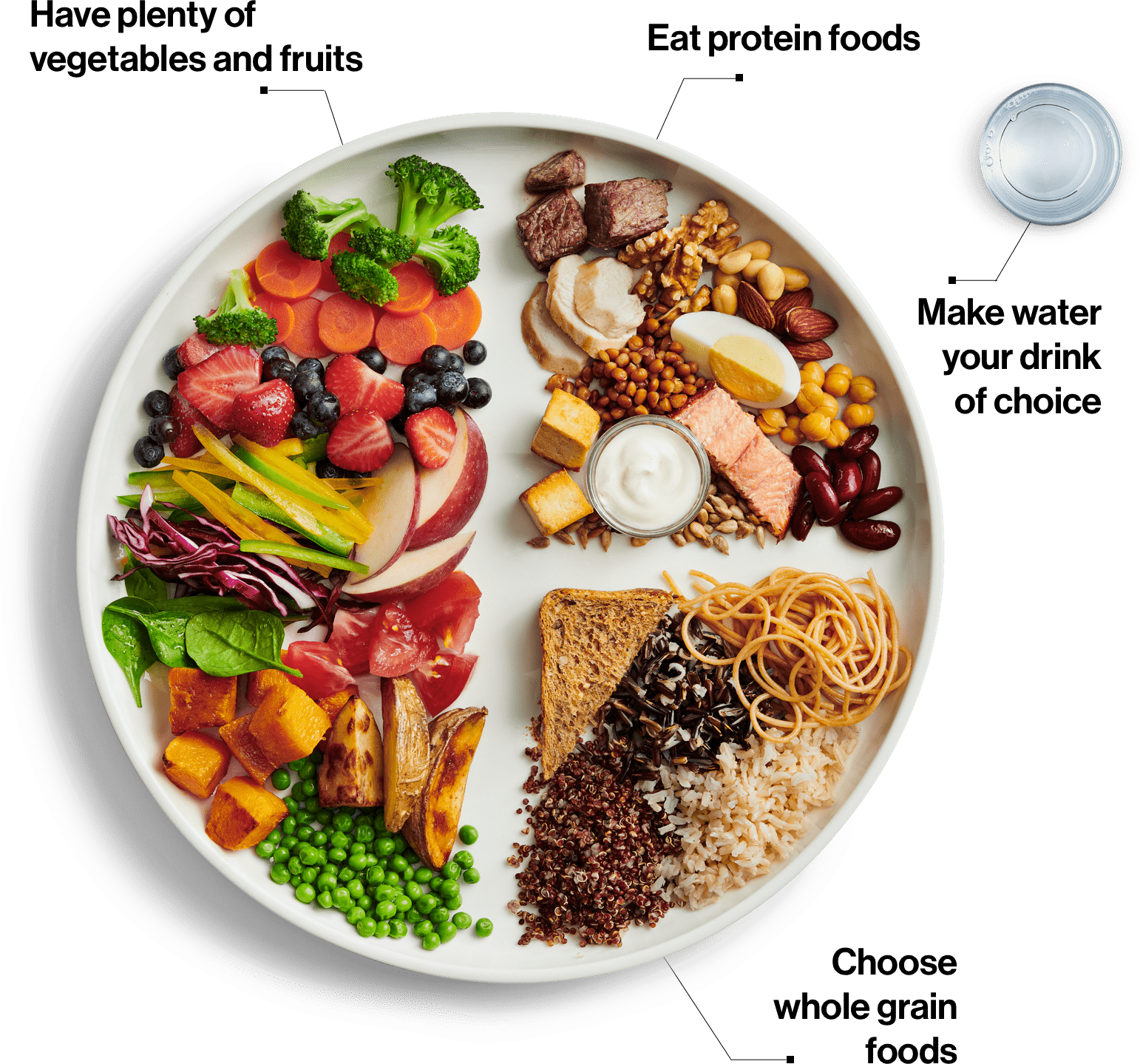
|
Protein Rich Foods (1/4 plate) |
- Help your body build muscle, heal wounds, fight infections, and regain strength for faster healing - Aim for 20-30 grams of protein at every meal (see graphic below for how much protein is in certain foods) - Eggs, meat, chicken, fish, milk, greek or regular yogurt, cheese, cottage cheese, nuts, seeds, soy foods, beans |
|
Vegetables and Fruits (1/2 plate) |
- Give your body the vitamins and minerals to stay strong and heal faster after surgery - Choose a range of colourful vegetables and fruits to get the vitamins, minerals, and antioxidants your body needs - Carrots, peppers, cucumber, celery, broccoli, cauliflower, leafy greens, squash, okra, pumpkin, sweet potato |
|
Whole Grains (1/4 plate) |
- Give your body steady energy to recover from surgery - Quinoa, rice, oats, barley, buckwheat, amaranth, millet, whole grain pasta, bread, crackers |
| Healthy Fats |
- Give your body energy for healing and recovery - Reduce swelling and inflammation - Olive oil, avocado oil, nuts, seeds, fatty fish, avocado |
| Water | - Keeps your body hydrated for faster healing and recovery |
How Much Protein Is In My Food?

If You Do Not Feel Hungry or Get Full Quickly
Try these tips:
- Eat protein first - Start with your protein foods before salad, fruit, or dessert so you get enough protein.
- Have smaller meals more often - Instead of 3 big meals, try 5-6 smaller meals or snacks throughout the day. Take snacks with you if you will be away from home.
- High protein snack ideas - Trail mix, greek yogurt with berries, hummus with vegetables, peanut butter on celery sticks with raisins, cheese and crackers, canned tuna and crackers, cottage cheese with fruit
- Choose drinks that give you energy - Milk, smoothies with protein powder, or nutrition shakes with extra protein, vitamins, and minerals
- Limit low-calorie drinks at mealtime - Coffee and tea can fill you up and make it harder to eat enough. Drink water between meals to stay hydrated.
Additional Nutrients to Support Healing
Omega-3 Fatty Acids
- Support muscle recovery and reduce swelling (inflammation)
- Found in salmon, mackerel, chia seeds, walnuts, flaxseeds
- Best to get from food instead of supplements before surgery because some omega-3 supplements can increase bleeding risk during surgery
Vitamin D
- Supports muscle strength and bone health, especially in older adults
- Found in fatty fish, fortified dairy, egg yolks, or supplements
Iron
- Maintains blood iron levels which lowers the chance of needing a blood transfusion
- Found in meat, fish, poultry, beans, peas, lentils, and some vegetables
Registered Dietitians
A dietitian can help you understand what your current diet may be missing and give you ideas to meet the guidance above. Many patients may benefit from a dietitian's support, especially if you:
- Have lost weight without trying or have noticed changes in your appetite
- Have health conditions like diabetes, kidney disease, or cancer
To contact a dietitian:
- Contact a dietitian through HealthLinkBC by calling *811 or by email. This service is free of charge and does not require a referral.
- Request a referral from your Primary Care Provider to see a Primary Care Dietitian. This service is covered by MSP.
- Visit www.bcdietitians.ca to find a private practice dietitian.
- Private practice dietitian services are not covered by MSP, but are covered by many extended health benefits and insurance plans.
Fasting Before Surgery
Your health care team will give you clear instructions for when to stop eating and drinking before surgery. Following the instructions is very important to keep you safe and prevent your surgery from being delayed. Do NOT fast for longer than your team tells you - your body heals best when it has enough fuel.
Preparing for After Surgery
After surgery you may feel tired and have less energy or mobility to cook. Planning ahead, like making and freezing healthy meals, can make recovery easier. Here are some freezer-friendly meal ideas:
- Protein packed soups or stews with chicken, beef, lentils, or beans
- Casseroles or baked dishes with meat, tofu, or beans and vegetables
- Egg muffins or frittata are easy to grab breakfasts or snacks
- Frozen smoothie packs - fruit + leafy greens + protein powder
Where to Learn More
Healthlink BC - or call/text *811 to speak to a dietitian
BCdietitians.ca - find a dietitian near you
Food Banks BC - find local food banks for groceries and other essentials
bc.211.ca - or call *211 to find local food banks and supports